



🧩 How to Play
🔍 1. Read the Case
Each mystery begins with a suspicious death and a few early clues.
Gina’s notes, evidence photos, and case summaries will pull you into the investigation.
📬 2. New Clues Every Few Weeks
Every few weeks, a new clue is revealed: an interview, forensic detail, surveillance footage, or something unexpected. Follow Gina’s progress, study the evidence, work the angles, and build your theory. You can revisit earlier clues anytime to help connect the dots.
🧠 3. Submit Your Theory
When you think you’ve got it figured out, submit your theory describing motive, means, and opportunity.
Only one submission per player — so choose your moment wisely!
🏆 4. Be the First to Get It Right
The first person to submit a correct theory wins a cameo in the next Hard Rokk Mysteries book, appearing as a named character when the case is officially solved in print!
THE CASE CLOSES WHEN THE NEW BOOK IS RELEASED.
Between the Noise: Scene 6 — The Sister’s Secret
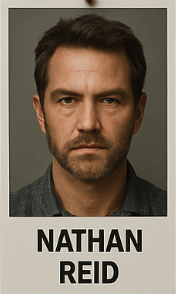
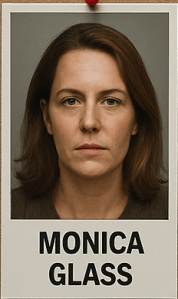
Gina sat across from Monica Glass, a manila folder half-open in front of her. The sister’s arms were wrapped tight across her chest, a defensive posture she hadn’t managed to shake since walking into the interview room.
“Thanks for coming back in,” Gina said, her voice steady, almost gentle. “I know this isn’t easy.”
Monica’s mouth pulled into a tight line. “Easy? No. But…” Her shoulders slumped. “I can’t keep pretending I wasn’t part of it.”
“You were in Sedona with your sister,” Gina pressed.
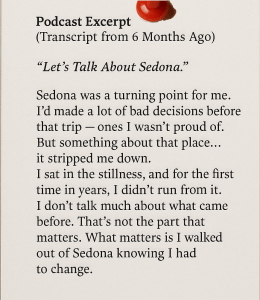
“Yes,” Monica whispered. She stared down at the table, eyes fixed on some invisible mark in the wood grain. “I was there. I’m not proud of that. It took me a lot longer to pull myself together than it took her. But I did it. I’ve worked hard to build a stable life since then. She knew I didn’t want that part of my past out there—not for her podcast fans, not for anyone.”
“You’ve been sober four years now?” Gina asked.
Monica nodded. “Four. But nobody at work knows. Not even my closest friends. That part of me is… sealed off. Private. And Lena kept pushing. She said truth helps people. But I wasn’t ready for that kind of truth.”
“When she talked about Sedona, what did you feel?” Gina leaned forward, careful to keep her tone from sounding accusatory.
Monica’s voice wavered. “Shame. Fear. Like if she told the world, I’d lose everything I’ve built. I begged her not to.”
“You sound more afraid than angry,” Gina said.
Monica’s eyes glistened. “Because I was. Still am.”
The silence that followed was heavy, filled with the weight of unspoken years. Gina wrote a quick note, her pen scratching quietly against the paper: Defensive, but not deceptive. Motive rooted in fear, not malice.
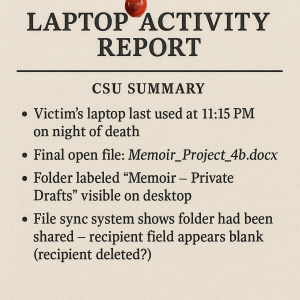
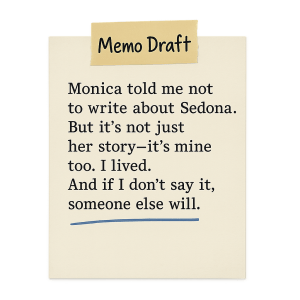
Later, back at her desk, Gina sifted through the CSU reports. A draft pulled from Lena’s private memoir folder glowed on her screen.
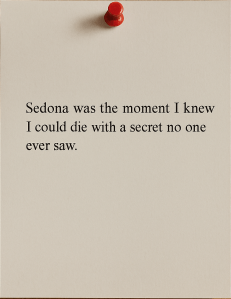
Monica told me not to write about Sedona. But it’s not just her story—it’s mine too. I lived. And if I don’t say it, someone else will.
The words cut deep, the defiance unmistakable. Lena had intended to write about her sister, no matter what.
A second file followed—a voicemail retrieved from two nights before the death. The playback was rough, distorted, but Monica’s desperation bled through every word:
“Please don’t do this. I’m serious. If you bring up Sedona, we’re done. You have no idea what that would do to me. Please—just leave me out of it.”
Gina leaned back in her chair. The tone wasn’t angry. It was pleading. Monica had been terrified of exposure, terrified of losing her new life. That was motive enough for some people. But was it enough for Monica? Had Monica silenced her sister out of fear—or was this just the shape of shame?
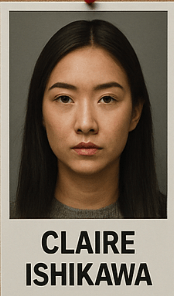
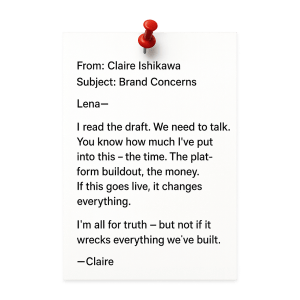
Another CSU alert chimed. Gina opened the file and read an email recovered from Lena’s deleted inbox, four days before her death. Claire Ishikawa’s name topped the header.
Lena—
I read the draft. We need to talk. You know how much I’ve put into this—the time, the platform buildout, the money. If this goes live, it changes everything. I thought we were building something aspirational. Something safe.
You say you want to be honest now, but what happens when the sponsors walk? When the audience turns?
I’m all for truth—but not if it wrecks everything we’ve built.
—Claire
Gina exhaled, rubbing her temple. Monica had shame and fear. Claire had money and reputation on the line. The Sedona draft had become the powder keg in the center of it all.
And Lena Glass was dead.
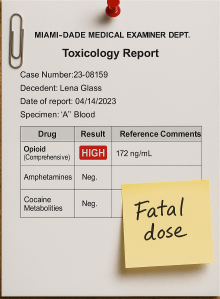
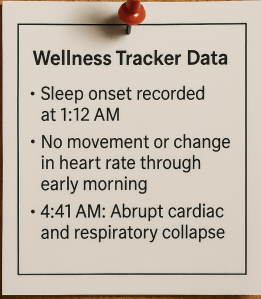
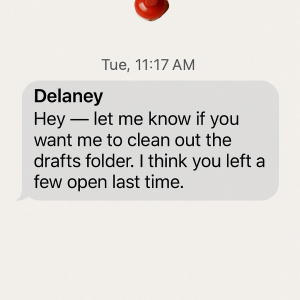
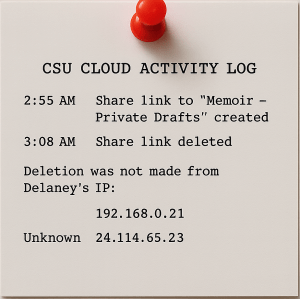
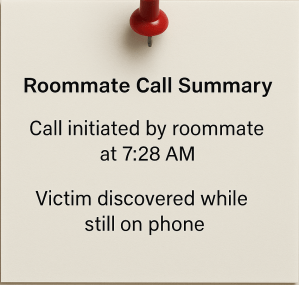
New Clues Added: Screenshot of Monica’s voicemail, Lena’s memo draft, Recovered email from Claire









(Remember, you only get one shot! Don’t submit too soon unless you’re sure!)
 Hard Rokk Mysteries